A New Direction
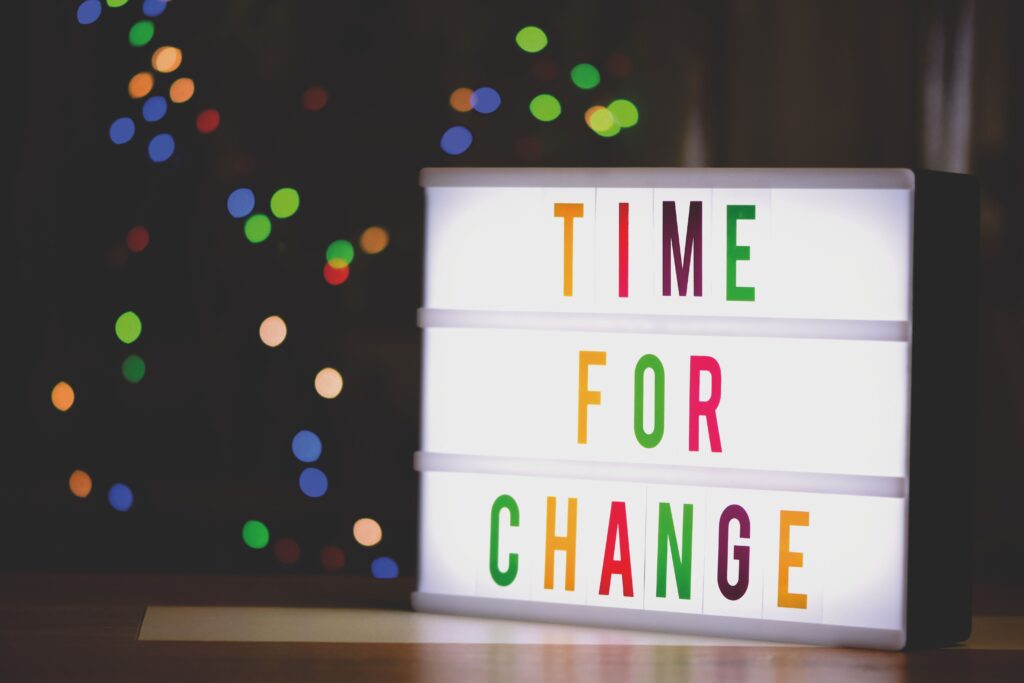
Over the past several months, a particular line of work has taken clearer shape.
Many of you will know me through Dialogue in Growth and my work on family relationships, post-separation harm, parental alienation, institutional failure, suicide prevention, and the social conditions that turn private suffering into public harm.
That work is now developing into a more focused public project.
It is called The Relational Justice Project.
The Relational Justice Proposition
The project begins from a simple proposition: family relationships are not merely private attachments. They are social infrastructure. When institutions fail to recognise, protect, or repair those relationships, private suffering becomes public harm.
This is not only a family law issue. It is not only a mental health issue. It is not only a parental alienation issue. It is a wider social and political issue about how institutions recognise harm, how evidence is governed, how children’s relationships are protected, and how families are damaged when systems become captured by partial theories of harm.
The Relational Justice Project has been established as a dedicated public social and policy forum for this work.
The Relational Justice Manifesto
The first phase of The Relational Justice Project is a twelve-essay series developing the foundations of a Relational Justice Manifesto.
That manifesto will name a constituency that is currently dispersed, isolated and politically under-recognised: parents, children, adult children, grandparents, partners, practitioners and others who have experienced relational dispossession, institutional indifference or system-enabled family fracture.
The first essay, The Alienated Society Ends Here establishes the basis for the project.
The second essay, Relational Disposability, develops the central claim that modern institutions too often treat family relationships as disposable.
If you are reading this article, you may already be part of this currently unrecognised constituency.
The first task is to recognise ourselves as more than isolated cases. We are a public constituency with shared interests, shared harms and shared claims for justice.
The Relational Justice Movement
The purpose of this project is not merely to publish commentary.
Its purpose is to build a public constituency: people prepared to say that relational harm is real, that institutional failure matters, and that family relationships deserve protection, repair and justice.
Dialogue in Growth will remain open as a broader professional and organisational channel. I will continue to use it for related news, policy commentary, research updates and organisational work.
But, The Relational Justice Project is now the main home for the relational justice essays, the manifesto work, and the emerging movement around family relationships as social infrastructure.
A Stand Against Relational Disposability and for Relational Justice
The current system too often treats relationships as disposable.
The Relational Justice Project exists to say that they are not.
If this work matters to you, I invite you to subscribe to The Relational Justice Project on Substack.
Subscribing matters because the next stage of this work depends on more than writing. It depends on whether there is a visible public constuency prepared to say that relational harm is real, that institutional failure matters, and that family relationships deserve protection, repair and justice.
You can subscribe here, its free:
Thank you for reading, supporting, sharing, and helping this work find its public constituency.
Similar Posts:
- False Allegations and Parental Alienation in Australian Family Law
- Sociological Implications of Social Alienation and its Demon Spawn Parental Alienation in Families
- CLOSING: Research into the Lived Experience of Parental Alienation in a Social Context
- Parental Alienation: A Matter of Social Pathology and Social Justice
- “Parental Alienation Becomes a Successful Tactic”, Parental Alienation and False Allegations Discussed in The Australian Senate


Great work as usual Stan, talking to other fathers in similar situations to mine the one thing that becomes clear is the feeling of hopelessness that we all feel. The feeling that there isn’t one organisation that is truly on our side or willing to go into bat for us. You may very well be that glimmer of hope that keeps us fighting for what we know is right, that light at the end of the tunnel that indicates the direction to head when you feel lost. You’re saving lives whether you know it or not I can tell you that much! Thanks from all Dads!
Long overdue and a positive step fwd in the current environment of neglect by all authorities. No parent should have the unwritten right to de-parent the other parent. And reparations are so much harder as the children grow up and begin to run into relationship issues themselves largely as a result of poor parenting practices in earlier years.